Typical Applications
Pigment Yellow 139 is commonly applied in several industrial sectors.
• Plastics: Polypropylene (PP), polyethylene (PE), PVC, and masterbatch formulations.
• Engineering Plastics: Selected use in PET, PA, and other technical polymer systems.
• Industrial Coatings: Architectural coatings, powder coatings, and general industrial paints.
• Consumer Plastic Products: Injection-molded and extruded plastic goods.
• Packaging Materials: Plastic packaging components and colored polymer products.
These applications benefit from the pigment’s thermal stability and compatibility with polymer systems.
Key Performance Properties Related to Applications
• Color Shade:
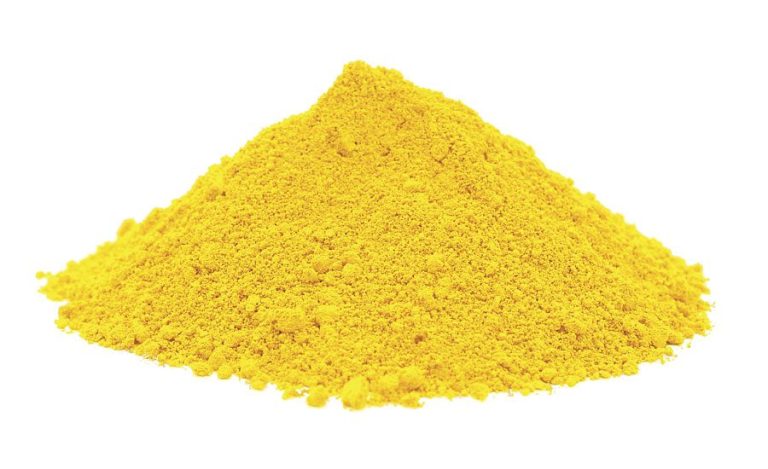
Produces a bright greenish-yellow tone with clean color development.
• Tinting Strength:
Provides good tinting strength suitable for plastics and coating formulations.
• Lightfastness:
Exhibits good lightfastness performance depending on formulation and pigment concentration.
• Heat Resistance:
Suitable for plastic processing temperatures typically up to 260–300 °C depending on the resin system.
• Chemical Resistance:
Shows good resistance to acids, alkalis, and many organic solvents.
• Dispersibility:
Can be dispersed using conventional compounding and milling processes.
Advantages
1.Excellent Light and Weather Fastness – PY139 maintains stable color performance under strong light and harsh outdoor conditions, making it ideal for automotive and industrial coatings.
2.Outstanding Heat Stability – It withstands high processing temperatures up to 250°C in HDPE, ensuring suitability for polyolefin and engineering plastics.
3.Good Migration Resistance – The pigment shows no bleeding or migration in flexible PVC and other soft plastic systems.
4.Versatile Application Range – Its reddish-yellow shade and durability make it suitable for high-end coatings, inks, and polymer coloration.
Typical Limitations
• Outdoor Durability Limits:
For long-term outdoor applications, higher weather-resistant pigments may be considered.
• Formulation Sensitivity:
Final performance may depend on the polymer type and processing conditions.
• Cost Considerations:
As a high-performance pigment, Pigment Yellow 139 may have higher cost compared with standard azo pigments.
Buyer Guidance
When evaluating Pigment Yellow 139, buyers typically consider:
• Required shade tone (greenish yellow vs. reddish yellow)
• Processing temperature of the plastic or coating system
• Lightfastness and durability requirements
• Compatibility with specific polymer or coating resin systems
• Dispersion requirements for masterbatch or coating production
• Regulatory and compliance considerations for end-use products
Synonyms
| Enceprint Yellow 1819 | Euthylen Yellow 184101 C4 | Lufilen Yellow 18-4105 C4 | Novoperm Yellow M2R 70 |
| Eupolen Yellow 18-4101 | Foscolor Yellow 139 | Luprofil Yellow 214105 C4 | Paliotol Yellow D 1819 |
| Paliotol Yellow L2140HD | Yellow L1820 | C.I. Pigment Yellow 139 (C.I. 56298) |
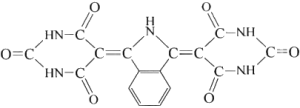
| 5,5′-(1H-isoindole-1,3(2H)-diylidene)dibarbituric acid |
| 2,4,6(1H,3H,5H)-Pyrimidinetrione, 5,5′-(1H-isoindole-1,3(2H)-diylidene)bis- |
| 1,3-Bis(2,4,6-trioxohexahydropyrimidin-5-ylidene)isoindoline |
| 1,3-Di(2,4,6-trioxohexahydro-5-pyrimidinylidene)isoindole |
| 5,5′-[1,3-Dihydro-2H-isoindole-1,3-diylidene]bis[pyrimidine-2,4,6(1H,3H,5H)-trione] |
Manufacturer and Supplier Information
Pigment Yellow 139 is manufactured by companies specializing in high-performance organic pigment chemistry, particularly isoindolinone pigments. Different commercial grades may vary in particle size distribution, surface treatment, and dispersion performance depending on their intended use in plastics, coatings, or other industrial applications.
Package and Delivery
● 25KG Kraft Bag, 400kg/500kg Carton Box
● Lead Time: Normally around 15 days after signed contract.
FAQ
1.What color shade does Pigment Yellow 139 produce.
Pigment Yellow 139 generally provides a bright greenish-yellow shade used in plastics and coatings.
2.Is Pigment Yellow 139 suitable for plastic processing.
Yes. It is commonly used in polyolefins and selected engineering plastics due to its good heat resistance.
3.Can Pigment Yellow 139 be used in coatings.
Yes. The pigment can be incorporated into industrial coatings and architectural paints depending on formulation requirements.
4.What are the key properties of Pigment Yellow 139.
Typical characteristics include good heat resistance, balanced lightfastness, and compatibility with polymer and coating systems.